
"flat bean Santos"
200 article(s) found

Bitter Weak Clean Brazilian Fine Coffee Bean Origin Development History Culture Introduction
Brazil has many large farms, operating endless coffee plantations, they use machines to harvest, and use machines to dry, automated efficiency is very high, as if coffee as a general agricultural material, completely abandoned flavor and disregard. As a result, many specialty coffee companies simply do not sell Brazilian beans, lest they demean themselves. Brazil's Santos occasionally appears in select coffee shops
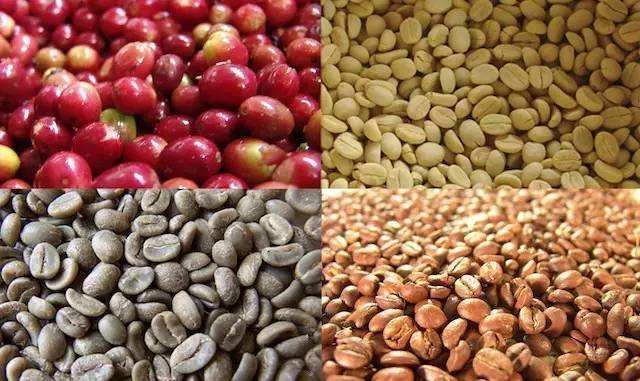
Coffee varieties in Santos, Brazil. Yield Red bourbon varieties Coffee beans Flavor characteristics Taste description
Pay close attention to coffee reviews (Weixin Official Accounts vdailycom ) and find a beautiful cafe to open its own small shop Brazilian coffee, which refers to coffee produced in Brazil. Brazilian coffee comes in many varieties, and like other Arabica coffees, Brazilian coffee is called Brazils to distinguish it from Milds coffee. The vast majority of Brazilian coffee is unwashed and dried, depending on the state of origin and port of shipment.

Boutique coffee beans Brazilian coffee the latest coffee introduction and information
Brazilian coffee generally refers to coffee produced in Brazil. There is a wide variety of Brazilian coffee, the vast majority of which are unwashed and sun-dried, classified according to the name of the state of origin and the port of transport. Brazil has 21 states and 17 states produce coffee, but four of them produce the largest, accounting for 98% of the country's total output. Brazilian coffee has a low sour taste, which goes well with coffee.

Brazilian Conillon Coffee Flavor description Price characteristics taste
Other kinds of Brazilian coffee, such as Rio and Parana, can be produced in large quantities because they do not need too much care. Although they taste rough, they can be regarded as a kind of good and cheap coffee. Because they are distributed all over Brazil and their solid quality varies, they have their own standards (NO.2~NO.8 according to the number of sundries, NO.13~NO.19 according to the size of beans, and six according to taste).
Introduction to the Flavor characteristics of Brazilian Bourbon Rivida Coffee beans, Grinding scale varieties and quality
Brazilian coffee beans the bourbon in the Brazilian bourbon Santos comes from the Bourbon Indian Arabica coffee tree. The island of Bourbon, now known as Reunion, was once a thriving place for Arabica coffee. Arabik coffee trees grown on the island were introduced around the world, and Brazil's Bourbon Santos is their descendant. Santos is from the port of Sandushi, which is a part of the Atlantic Ocean in southeastern Brazil.

Brazilian coffee has a unique, mild flavor, low acidity and moderate alcohol.
Brazilian coffee generally refers to coffee produced in Brazil. There is a wide variety of Brazilian coffee, the vast majority of which are unwashed and sun-dried, classified according to the name of the state of origin and the port of transport. Brazil has 21 states and 17 states produce coffee, but four of them produce the largest, accounting for 98% of the country's total output. Brazilian coffee has a low sour taste, which goes well with coffee.

Brazilian Coffee Plantation Area Grinding Scale Processing Flavor Description Variety Introduction
Brazil has many large farms, operating endless coffee gardens, they use machine harvesting, and the use of machine drying, automated efficiency is very high, as if coffee as a general agricultural material, completely abandoned flavor and disregard. As a result, many specialty coffee companies simply do not sell Brazilian beans, lest they demean themselves

Description of the characteristics and Flavor of Brazilian Coffee beans Story Source of Brazilian Coffee production area
Brazil Hilado Coffee Bean characteristic Flavor description Taste treatment Variety producing region Brazil is vividly compared to the giant and monarch of the coffee world. There are about 3.97 billion coffee trees there, and small farmers now grow 75% of Brazil's total coffee production. Brazil produces twice or even three times as many coffee as Colombia, which is the second largest coffee in the world.

Introduction to the producing area of Brazilian Coffee Manor with strong fragrance
In terms of natural conditions, Brazil is in the tropics, with a tropical rain forest climate in the north, hot and humid all the year round, suitable for tropical crops, coffee trees are sunny crops, and sufficient sunlight is the condition for their growth. Historically, Brazil has been a Portuguese colony for a long time. In order to meet the needs of Western Europe, Brazilian coffee has been growing single crops for a long time and developing tropical plantations.

Description of the Flavor of Coffee beans in Queen's Manor of Brazil
Flavor description of coffee beans in Queen's Manor of Brazil since coffee trees were introduced from French Guiana (Guyana) in 1720, coffee production has gradually become a science. Before 1990, the Brazilian government carried out strict monitoring of the coffee industry, with both strict intervention and price protection measures, and the state has been implementing minimum price protection measures for farmers.

Description of Brazilian Coffee Flavor with mild Flavor characteristics of Grinding degree Variety Price Brand introduction
There are many large farms in Brazil, which run endless coffee plantations. They use machines to harvest and dry them. They are so efficient in automation that they regard coffee as a general agricultural material and completely abandon the flavor and flavor. As a result, many select coffee companies simply do not sell Brazilian beans so as not to demean themselves. In select coffee shops, Santos in Brazil still appears occasionally.

A wide variety of Brazilian fine coffee bean varieties grow market price profile
In addition, in planting, the balance of the whole environment, sprinkle herbicides, nourishing enough to sprinkle fertilizer nutrients of weeds dare to fill the land rich in humus of the harvest weeds production coffee trees will be reduced, while nature's careful operation, go in an earth-friendly and safe way. Therefore, small animals and earthworms are often seen on the ground, with unique characteristics of Serrado agricultural groups. also

Brazil Mojianaro Special Coffee Flavor description taste grinding scale manor introduction
Brazil Mojianaro special coffee flavor description taste grinding scale manor introduction: Syrador variety: yellow bourbon treatment: sun Santos is a descendant of bourbon species, hence the name of Santos port export. In the first three or four years before the coffee tree began to bear fruit, the beans were small and curved, with excellent flavor, and became Bourbon Santos. After that, the beans got bigger.

Mild aromas Brazilian coffee Flavor description Treatment characteristics Variety Taste
Coffee production has gradually become a science since the introduction of coffee trees from Guyane française in 1720. Before 1990, the Brazilian government strictly controlled the coffee industry, with both severe interference and price protection measures, and the state has always implemented minimum price protection measures for farmers, resulting in coffee overproduction. Before World War II, surplus stocks amounted to 780

Flavor description of Yellow bourbon Coffee beans treated with Brazilian Honey introduction to the taste of grinding scale varieties
Brazil honey processing yellow bourbon coffee beans flavor description grinding scale varieties taste introduction Brazil has many large farms, operating endless coffee plantations, they use machines to harvest, and use machines to dry, the efficiency of automation is very high. Coffee is like a general agricultural material, completely abandoning the flavor and disregard. As a result, many select coffee companies simply do not sell Brazilian beans to avoid

Description of Brazilian Coffee Flavor introduction to the taste of high-quality coffee beans
Brazilian coffee generally refers to coffee produced in Brazil. There are many kinds of coffee in Brazil. Like other Arabica coffee, Brazilian coffee is called Brazilian coffee Brazils to distinguish it from Milds coffee. The vast majority of Brazilian coffee is unwashed and sun-dried and is classified according to the name of the state of origin and port of transport. Brazil has 21 states and 17 states produce coffee, but among them

A brief introduction to the market price of balanced and supple Brazilian boutique coffee beans
There are many large farms in Brazil, which run endless coffee plantations. They use machines to harvest and dry them. They are so efficient in automation that they regard coffee as a general agricultural material and completely abandon the flavor and flavor. As a result, many select coffee companies simply do not sell Brazilian beans so as not to demean themselves. In select coffee shops, Santos in Brazil still appears occasionally.

Taste characteristics of Brazilian yellow bourbon coffee beans taste classification flavor description introduction of varieties in manor producing areas
Taste characteristics of Brazilian yellow bourbon coffee beans taste classification flavor description the present situation of variety introduction coffee in the manor producing area has been naturally favoured and has been cultivated in new places inland. Panama became famous as a new coffee producing place in Brazil after the war, and because its natural conditions are not superior, it is still inferior in quality compared with that produced in Sao Paulo. Now in the northern part of Sao Paulo

Introduction of Brazilian Minas Coffee varieties Flavor description Grinding Calibration method
What are the varieties of Brazilian Minas coffee? description of the flavor of Brazilian coffee, grinding scale treatment, legal production area introduction: at present, there are 2 million hectares of land in Brazil for growing coffee, with a maximum of more than 70% being Arabica. These beans will eventually be sent to large roasters in various countries, that is, the well-known Santos (in the name of the port of export santos, not the producing area), because of the coffee competition after 2000.

What are the advantages and disadvantages of Brazilian coffee beans
Following caf é (Wechat official account vdailycom) found that Beautiful Cafe opened a small shop of its own. Brazil has many large farms and endless coffee plantations. They use machines to harvest and dry them, and the efficiency of automation is so high that they regard coffee as a general agricultural material, regardless of flavor and flavor. As a result, many select coffee companies simply do not sell them.